
When health gets complicated, no two stories are the same.
But do you see similarities to your story here?
(These are composite clients, created to represent some of the types of people,
symptoms and health concerns I am well suited to work with.)
Claire, 45
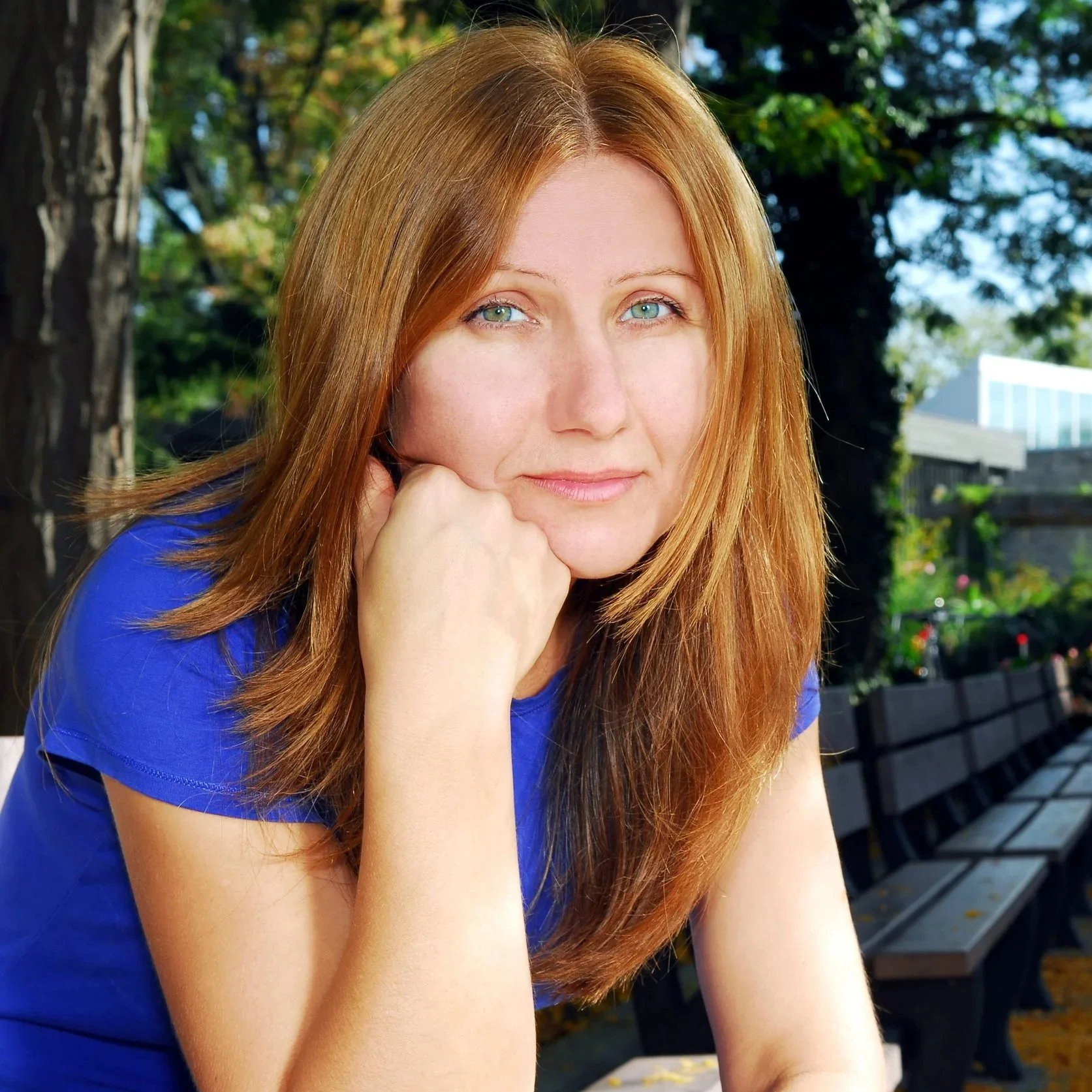
Claire writes copy for websites part-time from home while raising two children and keeping an increasingly close eye on her aging parents.
Her son plays travel baseball. Her daughter takes ballet. Her husband commutes to Westchester or New York City, which means Claire is usually the one who is there when something comes up.
And something always comes up.
She works around everyone else’s schedules. She keeps track of practices, school forms, groceries, doctor appointments, prescriptions, and which parent needs what this week. Her house is often the place where kids end up after school, and she is used to being the person other people count on.
For the first time ever, she missed her son’s orthodontist appointment. She remembered it that morning, but by three o’clock it was completely gone from her mind.
Lately, she is finding herself taking shortcuts she never used to need. Dinner comes from takeout more often. She has not had time to get a haircut in months, so her hair is almost always pulled back in a ponytail.
She is tired, but there is always a reason for that. Her sleep is not as restorative. She gets headaches more often. Her patience is shorter. Her body aches. She has gained some weight. She knows she is probably in perimenopause and wonders how much of this could be hormonal, how much is stress or age, whether blood sugar might be part of it, and whether there is something else she is missing. A friend has suggested she get her thyroid checked.
Claire keeps thinking she will make an appointment when things calm down — which she acknowledges might be never, or when the kids go to college. She has started wondering if she can find the help she needs online.
She knows she could start making appointments with specialists, but she is not even sure which specialist she needs. She reads enough and knows enough to understand that symptoms can have more than one explanation, and that some of the changes she’s seeing may be connected not only to perimenopause but also to stress and going, going, going all the time. What she does not have is the time or bandwidth to sort through all of it herself.
Nobody in Claire’s family thinks of her as sick. She hasn’t told them she doesn’t feel well — mostly because she hasn’t quite admitted it to herself.
Claire does not need somebody to tell her to take better care of herself. She needs someone who can look at her whole health picture, do some testing if necessary, identify which areas of her health need attention, and tell her what she can do to get “fixed,” whatever that means.
About Lisa, 53
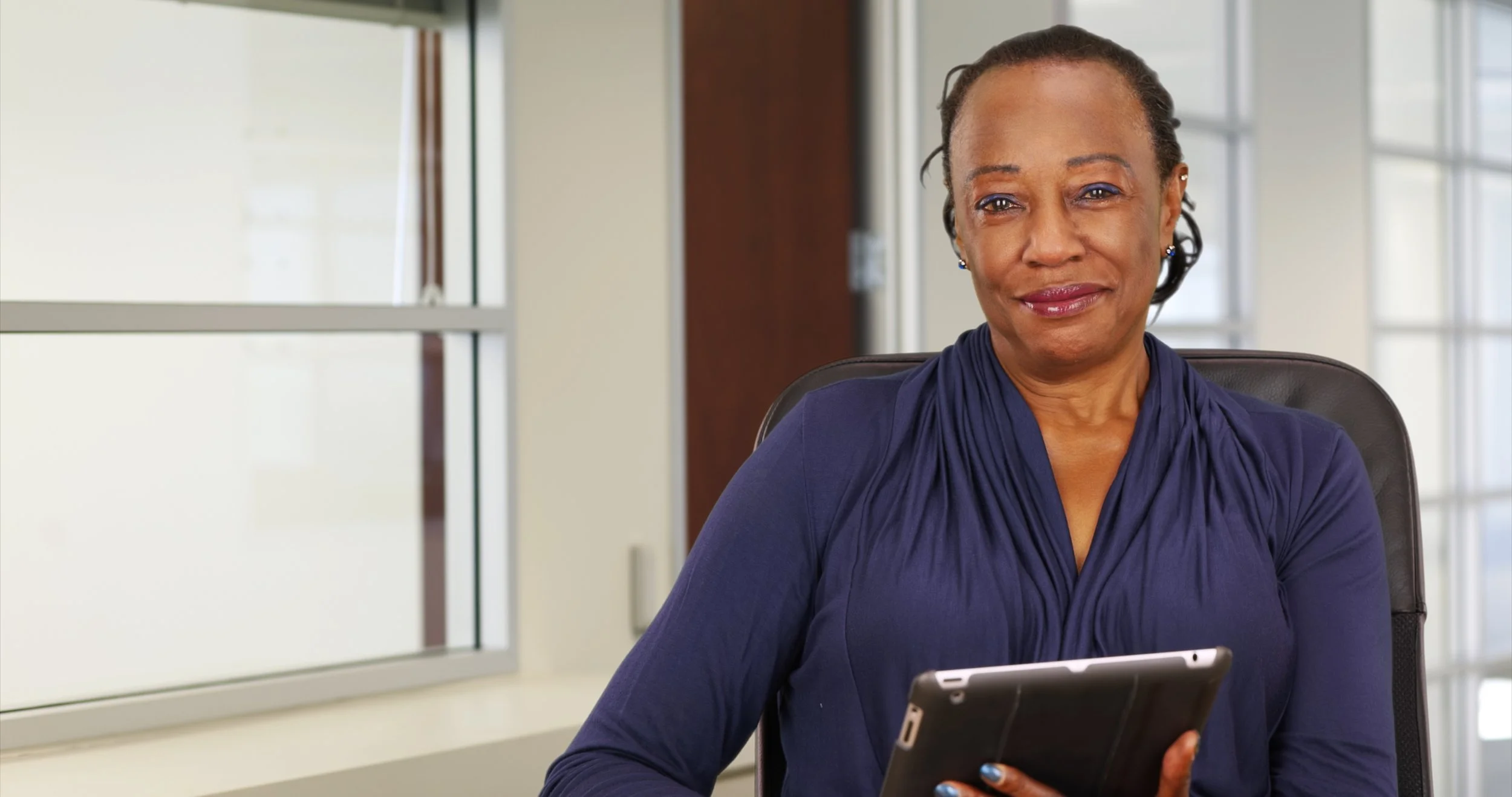
Lisa has spent most of her career taking care of other people. She works in healthcare, understands the importance of taking care of herself, keeps up with her medical care, and knows more about the human body than most people do.
She's also accustomed to long days, being on her feet, solving problems and pushing through when she's tired. For years, she could.
Lately, something is different.
She's more exhausted after work. Her sleep doesn't restore her the way it used to. She's getting headaches she didn't used to have, and her digestion has become unpredictable. A busy week that once left her tired now takes most of the weekend to recover from.
At 53, there are plenty of reasonable explanations. She's gone through menopause. She works a demanding job. She's getting older. And because she takes care of people who are genuinely ill every day, it's especially easy to tell herself that what she's experiencing isn't really that serious.
But Lisa knows bodies. And she knows hers isn't working the way it used to.
She isn't looking for a diagnosis to explain every bad day. She wants to know whether these changes are simply part of getting older—or whether something is beginning to go wrong that she can still do something about.
About Ruth, 62
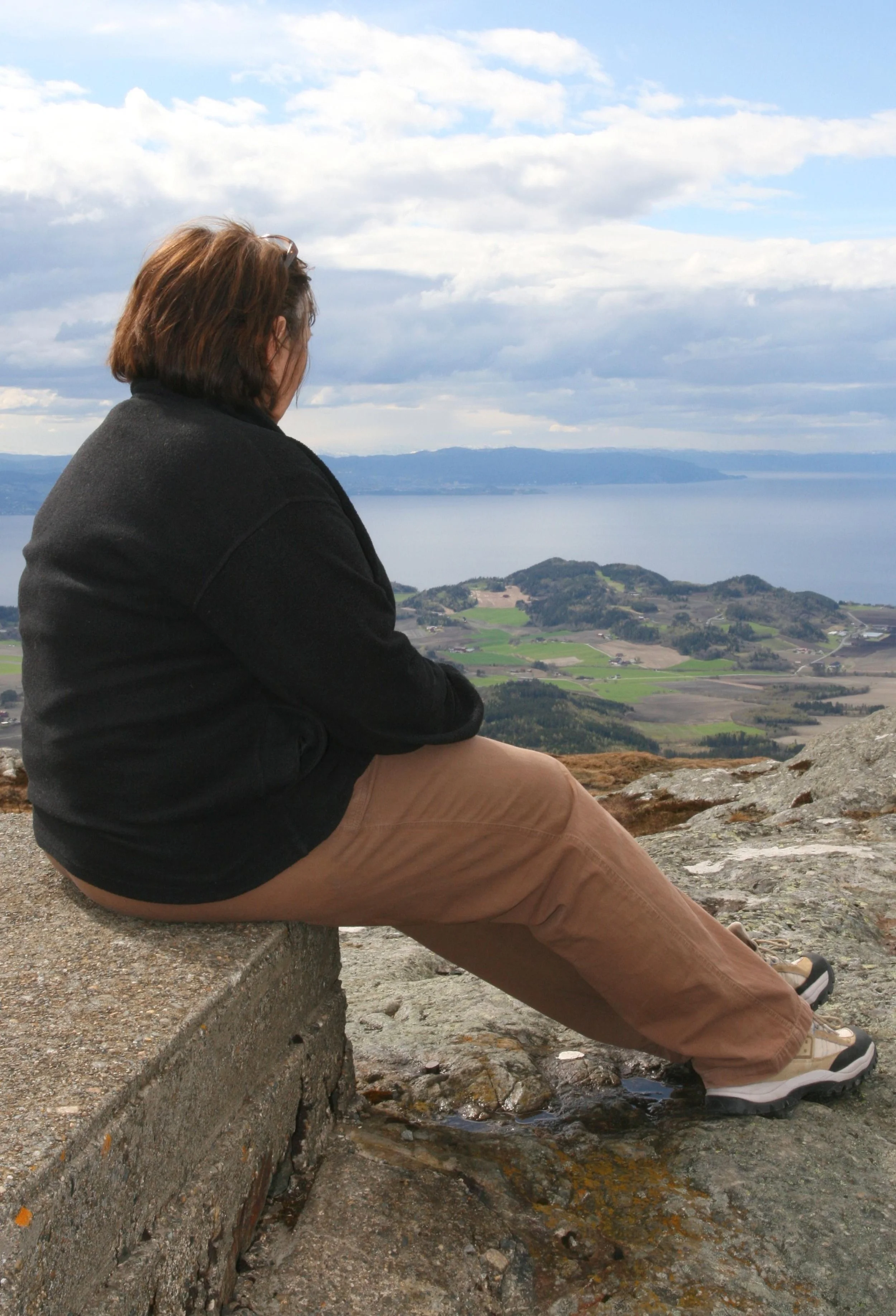
Ruth isn't exactly sure how long she's been sick. Fourteen years? Fifteen? Maybe sixteen?
There wasn't one clear beginning. Looking back, some of the problems were there long before she thought of herself as someone with chronic illness.
Over the years, she's seen a lot of doctors. She's had testing, collected diagnoses and tried more treatments than she can remember. Some things helped. Others didn't. But she still doesn't understand how the pieces fit together, what can reasonably be changed, or where the heck to start.
Her illness has affected more than her health. Her marriage ended. Some friendships faded. Her social life faded, too. Her world has gotten smaller.
And now, at 62, Ruth is thinking about the future differently. She's beginning to lose some strength and mobility. She knows maintaining muscle becomes increasingly important after menopause, and because she lives alone, she's started worrying about something she never used to think about: What happens if I fall?
Ruth isn't looking for someone to promise they can make years of illness disappear.
She wants someone willing to take a deep look at the whole picture, help her sort out what she may not be able to change from what she can, and help her protect as much strength, mobility and function as possible so she can continue to live well and age in place.
She does not want to wind up in a nursing home without her dog, or the ability to control how she spends her days — including being able to get out to parks and lakes where she can watch the sun set over the mountains.
About Tomas, 64
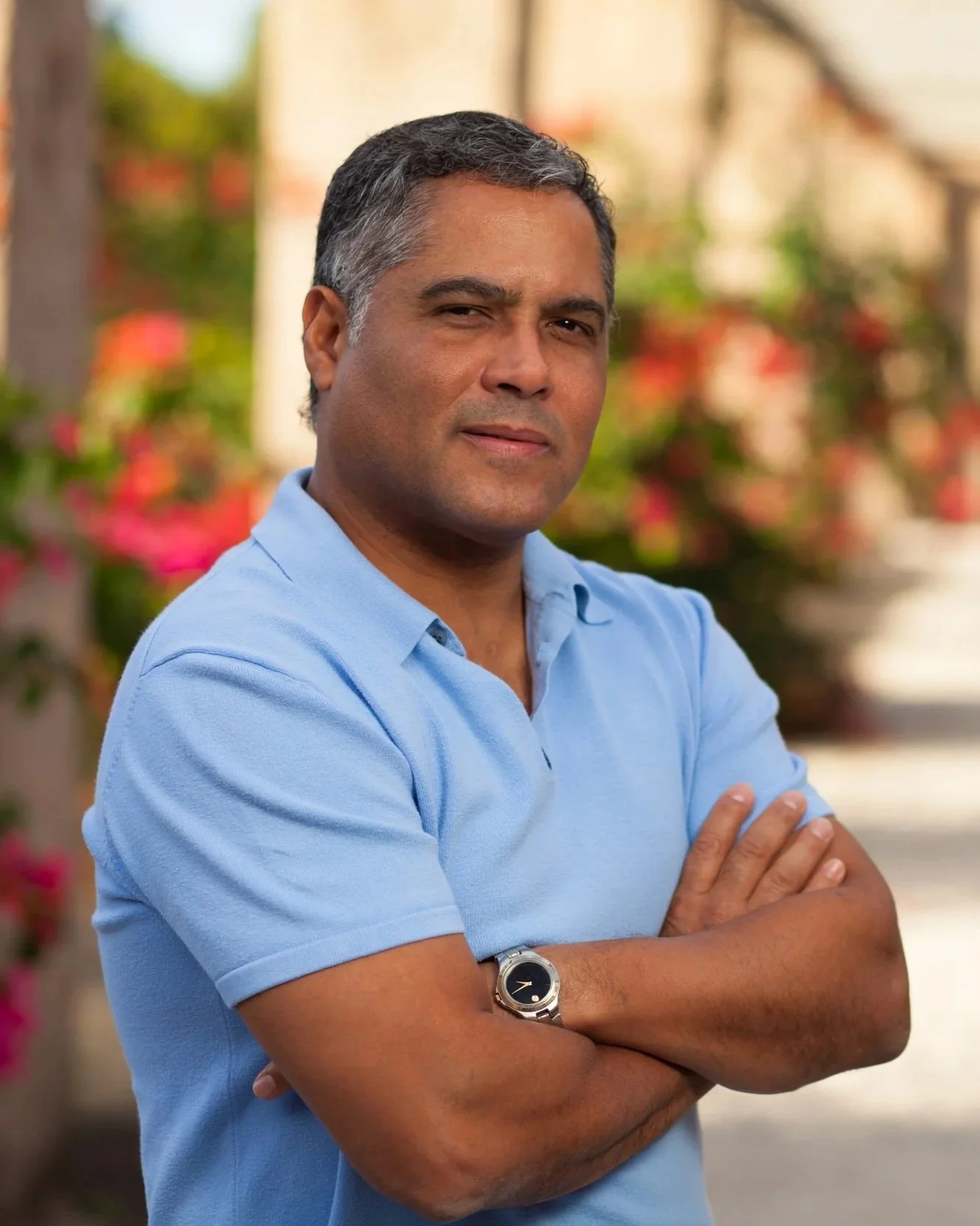
Tomas has spent most of his adult life in the restaurant business. Long days have always been part of the deal. So have early mornings, late nights, time on his feet, lifting, rushing, problem-solving, and handling whatever the day throws at him. Fourteen- and sixteen-hour days never felt unusual to him. He just kept going.
For a long time, that worked.
Lately, though, he can feel the wear and tear more clearly. He’s stiffer when he gets up. He’s starting to limp a little. He doesn’t recover from a long week the way he used to, and his body is asking for more than he has been used to giving it. Problems he might once have brushed off are becoming harder to ignore.
Work has taken most of his time and energy for years. Most of his relationships have been built around the restaurant, and he has not developed much of a life outside of it. He is beginning to think more seriously about the future—about remaining independent, staying in his own home, and being physically able to enjoy the next part of life rather than simply working until he breaks down.
Now that he has grandchildren, that matters even more. He wants to be able to enjoy them. He wants to feel well enough to be present for his family and to have a life beyond the restaurant when the time comes to step back or sell it.
Tomas understands that he will never be 35 again, and he is not trying to be. What matters to him now is making sure there is not an underlying health problem he has overlooked after years of putting work first. He is ready to prioritize his health, understand what needs attention, and do what he can to remain independent and as well as possible in the years ahead. He has spent decades building a life and a business. Now he wants to be physically able to enjoy what comes next—more time with his family, his grandchildren, and a life that is no longer organized around the restaurant.
About Maya, 34

Maya completed her doctorate and found her dream job in the Hudson Valley several years ago. She teaches at a well-regarded college in the Hudson Valley. She hikes often with friends, goes into the city, travels, works long days when she needs to.
Except lately she's started saying no.
At first it was because she wasn't sleeping well. Then her digestion got more than flakey; it became all consuming. She's getting headaches more often. She skips the gym more than she goes. She's still working and looks the same but she's quietly organizing more and more of her life around how she feels.
Her doctor has checked the obvious things. Nothing alarming has turned up.
Maya doesn't need somebody to tell her something’s not right. She needs to understand why she isn't functioning like herself anymore and someone who can figure out what’s wrong and help her turn it around.
About Daniel, 46
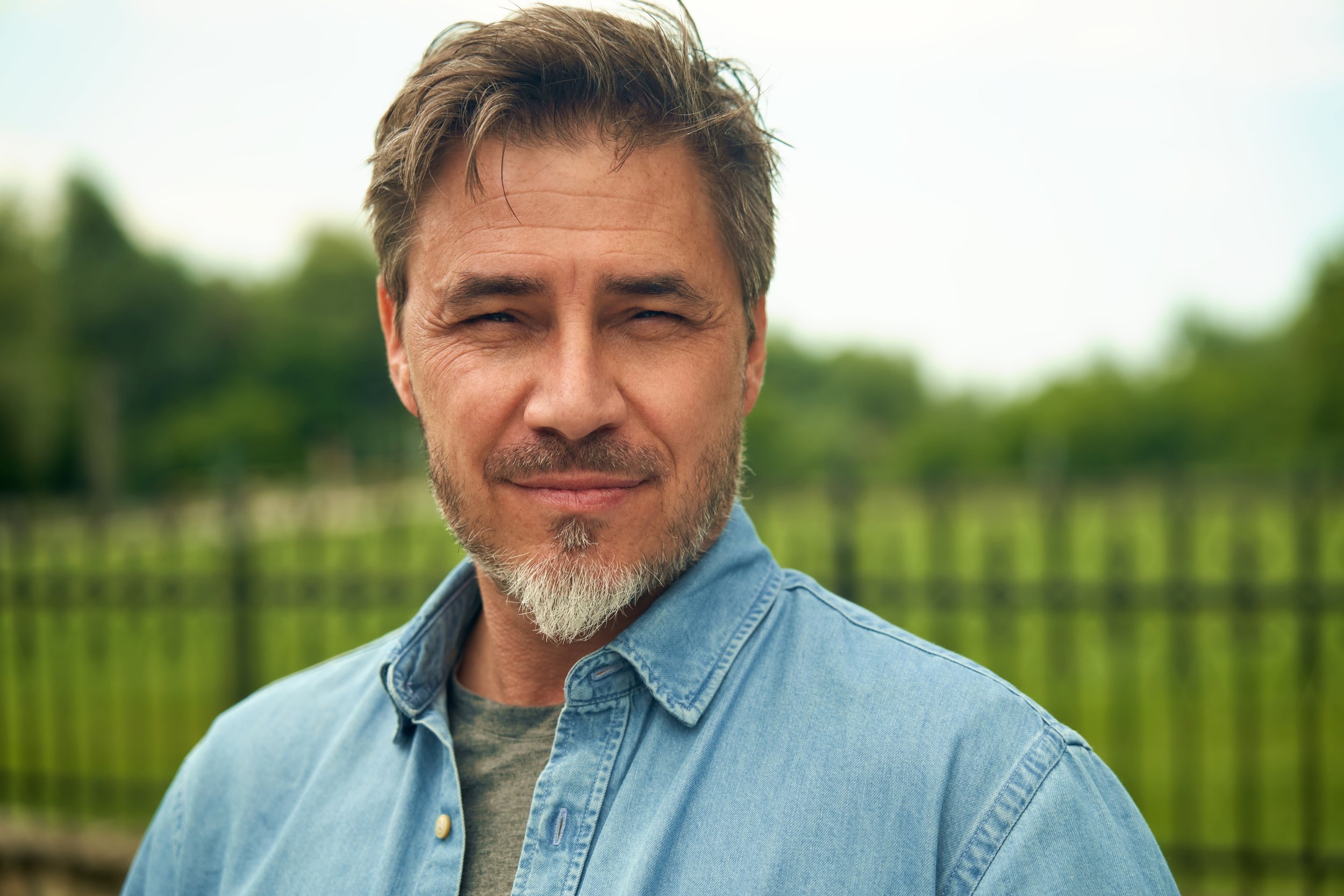
Daniel has always thought of himself as someone with a few annoying health things, but overall he’s been healthy.
His stomach has always been touchy, although lately it seems worse. He’s had migraines since his twenties. He sleeps badly. His back goes out more than seems reasonable. When he gets out of bed in the morning, his feet hurt. Every once in a while he gets a sharp pain somewhere that seems to come out of nowhere. Sometimes his heart races for no obvious reason.
He’s mentioned some of these things to doctors at different times, but no one has seemed particularly concerned. He’s never mentioned others because why would he?
Now he’s increasingly tired. He can still go for a hike, but now it has to be easy and it takes him a few days to recover. Things have shifted enough that he’s starting to wonder whether his collection of unrelated health quirks might not be quite so unrelated.
Daniel doesn’t know if any of this is important, but it seems foolish to not get checked out.
Roots & Wings for Renewed Health is a functional health and
wellness practice specifically for people with:
Many symptoms. Multiple diagnoses. Mystery illness.
Long-term symptoms or illness.
Many have already been to multiple doctors and specialists but feel they walked away without
sufficient answers or possible solutions. They want to be seen, heard and believed — and not
have to convince anyone that something is off before it is looked at more thoroughly.
Many are looking for evidence-informed, non-pharmaceutical options when useful and appropriate, rather than relying on medication alone to address a growing list of symptoms.
They want someone who: 1) assesses people’s overall health when they have multiple symptoms or complications, 2) recommends functional testing when it would be helpful, 3) takes a systems
approach while assessing symptoms and function and 4) will advise and educate them on lifestyle choices and protocols that will help them rebuild their health foundations.
Where test results and findings indicate, they will recommend seeking appropriate medical care, specialist evaluation, or care from other practitioners, including gastroenterologists, cardiologists, mental health professionals, or acupuncturists.
If you recognize yourself somewhere on this page, I invite you to read more about
how I work and decide whether Roots & Wings for Renewed Health
may be the right place for you.